How to Master Meal Plans for Senior Citizens without the Stress
Why Meal Plans for Senior Citizens Are the Foundation of Healthy Aging
Meal plans for senior citizens are structured daily or weekly eating guides designed to meet the changing nutritional needs of older adults — covering the right balance of protein, fiber, calcium, vitamins, and hydration to support energy, independence, and quality of life.
Here’s what a solid senior meal plan includes at a glance:
| Element | Daily Target | Why It Matters |
|---|---|---|
| Calories | 1,500 – 2,000 kcal | Supports healthy weight without under-nourishing |
| Protein | 56 – 85g+ | Preserves muscle mass and immune function |
| Fiber | 25 – 30g+ | Aids digestion and blood sugar control |
| Calcium | ~500mg | Protects bone density |
| Vitamin D | 600 – 1,000 IU | Supports calcium absorption and bone strength |
| Sodium | Under 2,300mg | Reduces blood pressure risk |
| Hydration | 8+ cups of fluid | Prevents dehydration, aids digestion |
Good nutrition doesn’t get less important as we age — it gets more important.
Yet roughly 10% of older adults living at home experience unintended weight loss, and about half of women and a third of men over 71 don’t eat enough protein. These aren’t small gaps. They directly affect energy, muscle strength, cognitive function, and the ability to live independently.
The challenge is that aging changes everything about how the body processes food. Metabolism slows. Appetite shrinks. Taste and smell may fade. Chewing becomes harder. Medications can interfere with nutrient absorption.
That’s a lot to navigate — especially when managing specific dietary restrictions and nutritional requirements.
This guide breaks it all down simply: what seniors need, what to avoid, how to build a practical weekly menu, and how to make meals something to look forward to through flavor and variety.
Understanding the Changing Nutritional Needs of Older Adults
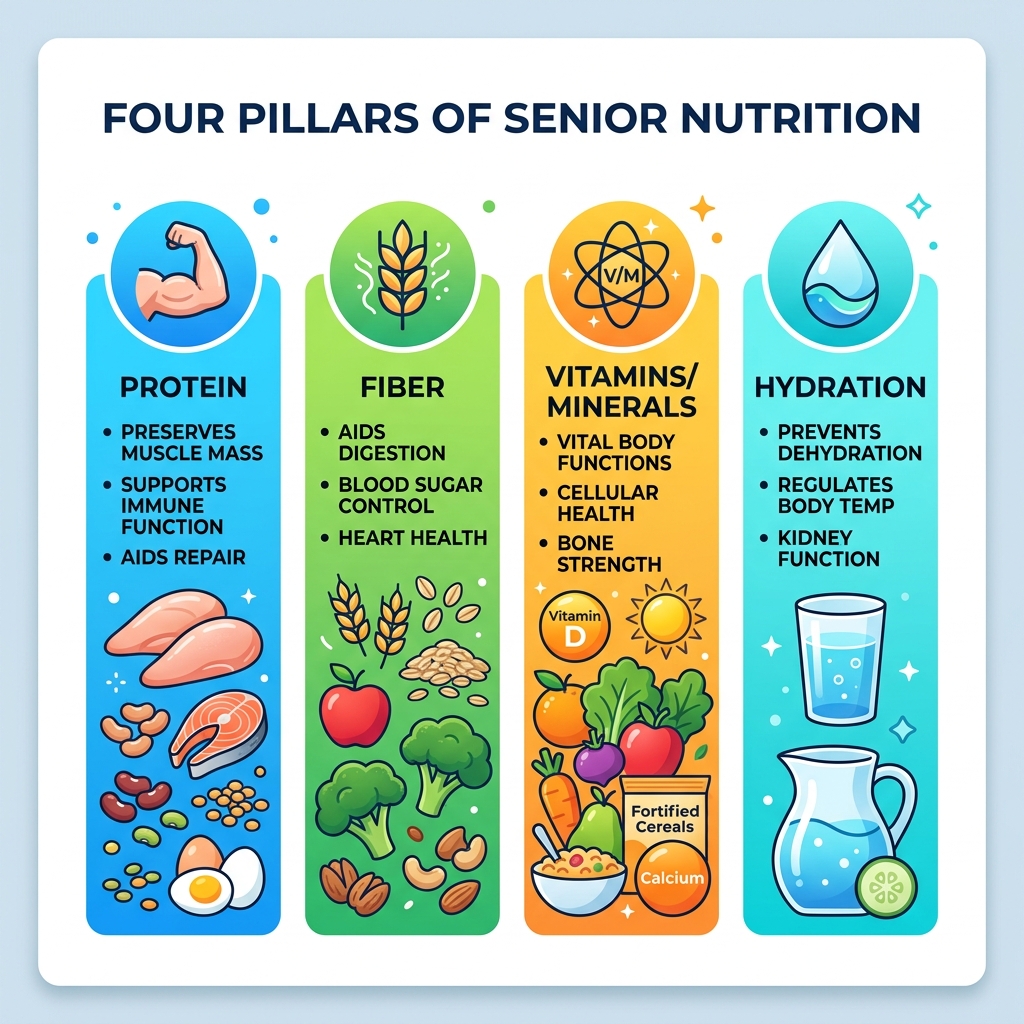
As we journey into our golden years, our bodies undergo significant metabolic shifts. You might notice that you don’t need as many calories as you once did, but your need for specific nutrients actually increases. This is the paradox of senior nutrition: eating less volume while needing more “punch” from every bite.
One of the most critical concerns we address in our senior meal prep delivery Columbia SC and other locations is sarcopenia—the natural decline of muscle mass. Muscle mass typically peaks in our 30s and begins a steady slide downward, accelerating rapidly after age 65 for women and 70 for men. To combat this, Scientific research on protein needs for the elderly suggests that older adults actually need more protein than younger adults—roughly 1.2 grams per kilogram of body weight—to stimulate muscle protein synthesis.
Beyond muscle, we have to look at the “hidden” changes. Vitamin B12 absorption often drops because the stomach produces less acid as we age. Bone density also becomes a major focus, especially post-menopause, requiring a steady intake of calcium and Vitamin D to prevent fractures. Finally, the “thirst mechanism” becomes less sensitive. Many seniors don’t feel thirsty even when they are reaching a state of dehydration, which can lead to confusion, urinary tract infections, and fatigue.
Essential Nutrients for Meal Plans for Senior Citizens in Cleveland OH
In Cleveland OH, where winters can be long and staying active indoors is key, focusing on bone and immune health is paramount. When we design meal plans for senior citizens, we prioritize these heavy hitters:
- Lean Protein: Think beyond just red meat. Seafood, beans, lentils, eggs, and Greek yogurt are excellent sources. Since about a third of men and half of women over 71 miss their protein targets, we recommend spreading protein intake evenly across all three meals rather than saving it all for dinner.
- Dietary Fiber: Only about 5% of adults hit the recommended 28g of fiber daily. Fiber is essential for preventing constipation (a common senior complaint) and managing “inflammaging”—the chronic low-grade inflammation associated with aging.
- Calcium and Vitamin D: These are the “dynamic duo” for bone health. While the Dietary Guidelines for Americans provide a baseline, many seniors require fortified foods or supplements to reach 1,000–1,200mg of calcium and 800–1,000 IU of Vitamin D.
- Omega-3 Fatty Acids: Found in salmon, walnuts, and chia seeds, these healthy fats are anti-inflammatory powerhouses that support brain health and may reduce the risk of cognitive decline.
- Magnesium and B12: Magnesium supports over 300 biochemical reactions in the body, including heart rhythm and nerve function, while B12-fortified cereals or lean meats keep the nervous system sharp.
Overcoming Common Dietary Challenges in Senior Care
Creating a plan is one thing; getting a loved one to eat it is another. We often hear from families in Charleston SC and Charlotte NC about the “disappearing appetite.” This can be caused by everything from medication side effects to a simple decrease in physical activity.
Chewing and swallowing difficulties (dysphagia) are also major roadblocks. If a senior has ill-fitting dentures or gum sensitivity, they will naturally avoid crunchy vegetables or tough meats, leading to fiber and protein deficiencies. In these cases, we focus on texture modifications. This doesn’t mean everything has to be a bland puree! It means slow-cooking meats until they fall apart, mashing sweet potatoes with a little olive oil, or creating nutrient-dense smoothies.
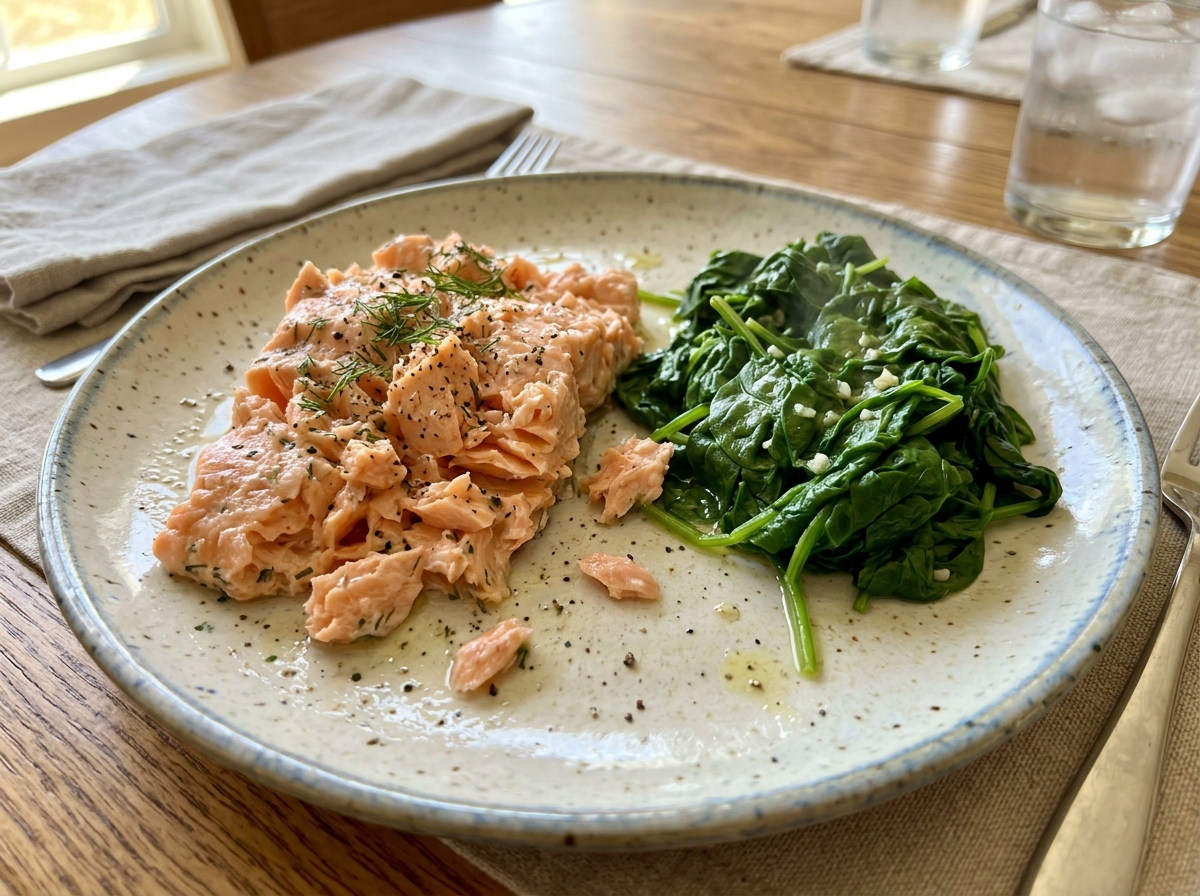
Another hurdle is the change in taste and smell. Food might start tasting “metallic” or “bland” due to medications or aging taste buds. The instinct is to reach for the salt shaker, but high sodium is a major risk factor for hypertension. Instead, we advocate for the use of “flavor boosters” like lemon juice, vinegars, fresh herbs, and spices like turmeric or garlic. Our goal is to Nourish and care for the whole person, ensuring that the sensory experience of eating remains a joy.
Managing Chronic Conditions with Meal Plans for Senior Citizens in Charlotte NC
In a bustling hub like Charlotte NC, many seniors are managing “the big three”: diabetes, heart disease, and hypertension. A generic meal plan won’t cut it here.
For heart health and blood pressure, the DASH diet (Dietary Approaches to Stop Hypertension) is the gold standard. It emphasizes low-sodium intake and is rich in potassium, calcium, and magnesium. Similarly, the Mediterranean diet—heavy on healthy fats like avocado and olive oil—is continually linked to better cognitive performance and heart health.
If you are managing diabetes, the focus shifts to low-glycemic index foods that prevent blood sugar spikes. A perfect example is our Healthy chicken white bean vegetable stew recipe, which provides lean protein and complex carbohydrates that digest slowly. For those with kidney concerns, we look at limiting potassium and phosphorus, swapping out bananas for berries or apples.
Designing Effective Meal Plans for Senior Citizens in Charleston and Beyond
When we talk about meal plans for senior citizens, we usually aim for a range of 1,500 to 2,000 calories. However, we never recommend a “hard” 1,200-calorie limit. The latest dietary guidelines suggest that 1,200 calories is simply too low for most adults to get the nutrients they need to sustain their immune systems and bone health.
| Meal Component | 1,500 Calorie Target | 2,000 Calorie Target |
|---|---|---|
| Breakfast | 350 kcal | 450 kcal |
| Lunch | 400 kcal | 550 kcal |
| Dinner | 500 kcal | 650 kcal |
| Snacks | 250 kcal (total) | 350 kcal (total) |
Sample Daily Inspiration
Breakfast Ideas:
- The Power Bowl: Oatmeal topped with blueberries (rich in flavonoids for memory) and a sprinkle of slivered almonds.
- Savory Start: Scrambled eggs over sautéed kale and sweet potato.
- On-the-Go: Overnight no-cook banana oatmeal made with low-fat milk or a fortified dairy alternative.
Balanced Lunches:
- The Protein Salad: Tuna or salmon salad made with Greek yogurt instead of heavy mayo, served on a bed of leafy greens.
- Warm Comfort: A cup of lentil soup with a side of whole-grain toast and avocado.
Hearty Dinners:
- The Coastal Favorite: Roasted salmon with a side of our Healthy summer catering ideas: seasonal quinoa bowl.
- Plant-Based Power: Zucchini lasagna with ricotta cheese and spinach.
Nutrient-Dense Snacks:
- Apple slices with natural peanut butter.
- Cottage cheese with a few slices of peach.
- A handful of walnuts and a few dried apricots (great for anti-inflammatory benefits).
Practical Meal Prep and Shopping Strategies for Caregivers
The secret to consistent nutrition is meal preparation. Having a structured menu ensures that seniors avoid high-sodium processed foods when time is limited.
Batch Cooking for Efficient Food Service Prepare “double duty” foods to streamline the menu. Roast a whole chicken to use for dinner on Sunday, chicken salad on Monday, and a stew on Tuesday. Cook a large pot of quinoa or brown rice that can be added to various meals throughout the week.
Smart Shopping and Pantry Staples Keep your pantry stocked with items that have a long shelf life but high nutritional value:
- Canned Beans: Low-sodium chickpeas, black beans, and kidney beans.
- Whole Grains: Quinoa, farro, and oats.
- Low-Sodium Broths: For quick soups and stews.
- Frozen Produce: Research shows that frozen fruits and vegetables are often more nutrient-dense than fresh ones because they are picked at peak ripeness and flash-frozen. Plus, they are already washed and chopped—a huge win for seniors with arthritis or limited mobility.
For those watching their budget, many grocery staples can be purchased using SNAP benefits. Using a shopping list helps prevent the purchase of processed foods that are high in added sugars and saturated fats. If the food preparation becomes too much, exploring options like our Re-entry meals can ensure the nutrition stays on track even when time for preparation is limited.
Frequently Asked Questions about Senior Nutrition
How much protein do seniors actually need daily?
While the standard recommendation for younger adults is 0.8g per kg of body weight, research suggests seniors should aim for 1.2g to 1.5g per kg. For a 150-pound person, that’s roughly 80 to 100 grams of protein per day. Spreading this out—about 25-30g per meal—is the most effective way to maintain muscle mass.
What are the best soft foods for seniors with dental issues?
Focus on foods that are naturally soft but nutrient-dense. Greek yogurt, scrambled eggs, mashed avocado, well-cooked lentils, silken tofu, and smoothies are excellent. You can also “moisten” drier foods with low-sodium gravies, applesauce, or olive oil to make them easier to swallow.
How can I make food more appealing if taste buds have changed?
Visual appeal is huge! Use a variety of colors on the plate (think orange carrots, green broccoli, and red peppers). Use aromatic herbs like rosemary, thyme, and basil to stimulate the sense of smell, which is closely linked to taste. Finally, try varying temperatures—sometimes a cold pasta salad is more refreshing than a hot dish if a senior is experiencing a “metallic” taste from medications.
Conclusion
Mastering meal plans for senior citizens doesn’t have to be a source of stress. It’s about small, consistent choices that add up to a higher quality of life. Whether you are focusing on heart health in Charlotte NC, bone strength in Cleveland OH, or simply trying to find easy, delicious options in Charleston SC and Columbia SC, the goal remains the same: independence and vitality.
At Iacofano’s Catering, we bring over 20 years of culinary expertise and a deep commitment to our communities. We understand that senior nutrition is a specialized niche that requires both science and soul. From our diverse Menu options to our specialized Catering services, we are here to support families and caregivers in providing the very best for their loved ones.
Ready to take the stress out of mealtime? Let our team handle the food preparation and menu design. Through our senior meal programs and specialized food services, we deliver high-quality, nutritious food that everyone can enjoy, ensuring every meal meets the highest standards of senior nutrition.