How to Feed a Winning Team in South Carolina
Why Athlete Recovery Meals in Columbia SC Make or Break Performance
Athlete recovery meals Columbia athletes and coaches rely on aren’t just about eating after a hard practice — they’re a critical part of training itself.
Here’s a quick answer to what makes an effective recovery meal in Columbia SC:
| Recovery Priority | What to Eat | When |
|---|---|---|
| Muscle repair | 20-30g high-quality protein (chicken, eggs, Greek yogurt) | Within 30-60 minutes post-workout |
| Glycogen replenishment | Complex carbs (brown rice, oats, sweet potato) | Same 30-60 minute window |
| Inflammation reduction | Omega-3s, berries, leafy greens, turmeric | At every recovery meal |
| Rehydration | Water + electrolytes (sodium, potassium, magnesium) | Immediately after and throughout the day |
| Daily protein target | 1.2-1.7g per kg of body weight | Spread across 4-5 meals |
Whether you’re fueling a university team, a corporate wellness group, or a competitive club squad, the right food choices after training determine how fast athletes bounce back — and how well they perform next time.
The science is clear: muscle protein synthesis stays elevated for up to 48 hours after exercise. That means every meal in that window matters, not just the one right after practice. For Columbia SC teams with packed schedules and high training loads, getting this right requires more than good intentions. It requires a plan.
That’s where smart, well-designed team catering makes a real difference.
The Science of Athlete Recovery Meals Columbia
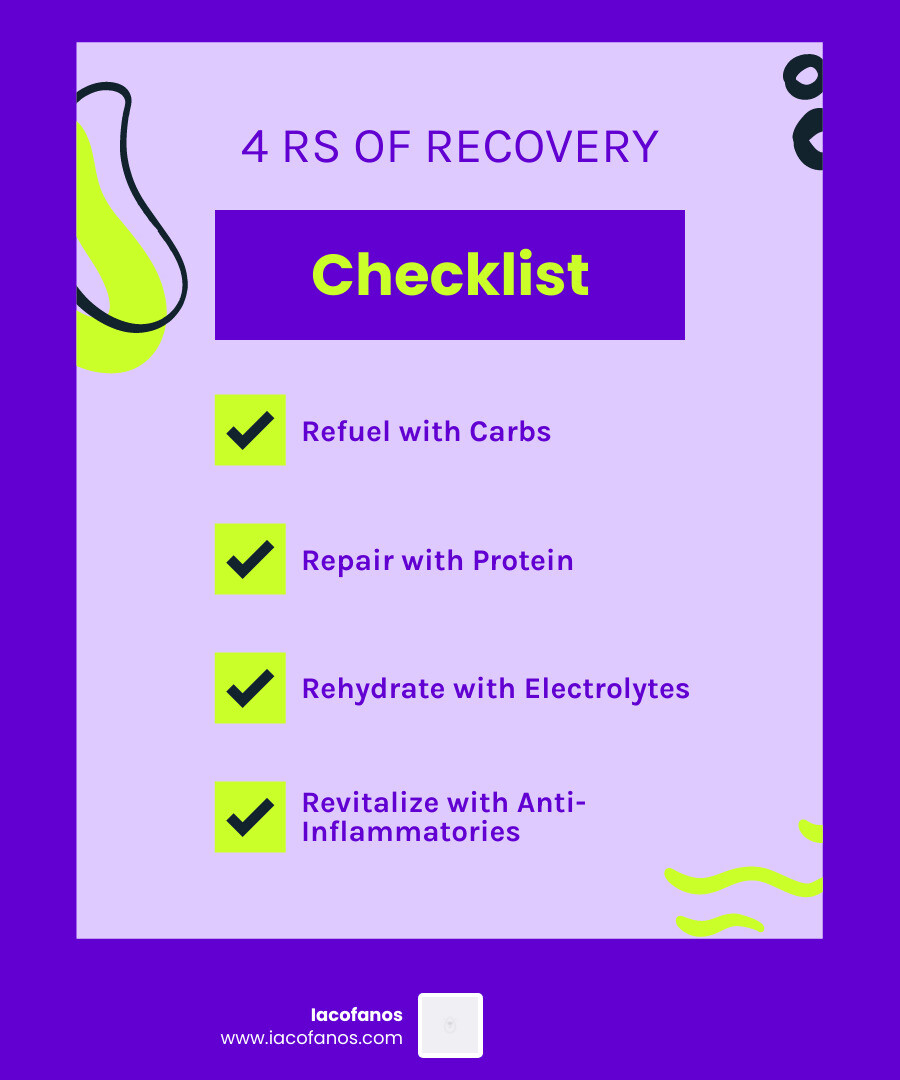
When we talk about athlete recovery meals Columbia teams need to succeed, we are looking at a biological construction site. After an intense training session at one of Columbia’s university facilities or local gyms, the body is primed to rebuild.
Research demonstrates that muscle protein synthesis remains elevated for up to 48 hours after exercise, with 20-30 grams of high-quality protein per meal optimizing tissue repair more effectively than eating one massive protein “bolus” at the end of the day. This means that for a winning team in South Carolina, recovery isn’t just a post-game shake; it’s a 48-hour nutritional strategy.
Beyond protein, the body must focus on glycogen restoration. Glycogen is the “fuel tank” for high-intensity movement. During exercise, these stores are depleted. By consuming carbohydrates alongside protein, we trigger an insulin response. While insulin often gets a bad rap in sedentary circles, for an athlete, it is a powerful anabolic (building) hormone that helps shuttle nutrients into the muscle cells and refills those empty fuel tanks.
Macronutrient Ratios for Athlete Recovery Meals Columbia
Getting the math right is the difference between feeling “leaded” and feeling “light” the next morning. For intense workouts, we generally recommend a 3:1 carbohydrate-to-protein ratio. For example, a 150-pound athlete would aim for approximately 30–35g of protein and 90–105g of carbohydrates in their recovery window.
- Leucine-rich proteins: We focus on high-quality sources like lean beef, chicken, lentils, and salmon. Leucine is the specific amino acid that acts as the “on switch” for muscle repair.
- Complex carbohydrates: Quinoa, sweet potatoes, and brown rice provide steady energy without the sugar crash.
- Healthy fats: Avocados, nuts, and seeds support hormone function and long-term energy.
If you are organizing a team event, our corporate event catering can help customize these ratios to ensure every player gets exactly what their body requires.
Timing the Recovery Window
The “anabolic window” is often debated, but most experts agree that the first 30–60 minutes post-exercise are the most critical for immediate nutrient uptake. This is when the body is most sensitive to insulin and most desperate for raw materials.
Eating quickly after a session helps lower cortisol levels. Cortisol is a stress hormone that breaks down muscle; by feeding the body, we signal that the “emergency” of training is over and it’s time to start the repair process. For busy athletes in Columbia, SC, this timing is often the hardest part to manage, which is why portable, pre-prepped recovery snacks are essential.
Essential Nutrients for Peak Performance and Healing

Recovery isn’t just about macros; it’s about the “micro” details that keep joints and tendons healthy. Collagen peptide studies demonstrate that 5-15 grams daily combined with resistance training significantly increases tendon cross-sectional area, especially when paired with Vitamin C. This is a game-changer for athletes in Columbia recovering from nagging injuries or looking to prevent them.
- Omega-3 Fatty Acids: Found in fatty fish like salmon, these reduce exercise-induced inflammation.
- Vitamin C and Zinc: These are the building blocks of tissue repair and immune support.
- Antioxidants: Berries and leafy greens combat the oxidative stress caused by heavy lifting or long-distance running.
Anti-Inflammatory Superfoods
We love incorporating “functional” foods into our menus. To speed up recovery, look for:
- Tart Cherry Juice: Known to reduce muscle soreness.
- Turmeric and Black Pepper: A powerful anti-inflammatory duo (the pepper helps you absorb the turmeric!).
- Bromelain: Found in pineapple, this enzyme helps reduce swelling and inflammation in tissues.
- Leafy Greens: Spinach and kale are packed with magnesium, which helps muscles relax and prevents cramping.
Preventing Underfueling and RED-S
One of the biggest risks for competitive athletes in South Carolina is Relative Energy Deficiency in Sport (RED-S). This happens when an athlete doesn’t consume enough calories to support both their training and their basic bodily functions.
RED-S can lead to decreased bone density, hormonal imbalances, and a higher risk of injury. Proper athlete recovery meals Columbia must provide enough “energy availability” to keep the metabolism humming. We focus on nutrient-dense, high-calorie options for those in peak training phases to ensure they aren’t just “getting by,” but actually thriving.
Phase-Specific Fueling: From Rehab to Game Day
An athlete’s needs change depending on where they are in their season. Research shows that early-phase rehabilitation requires 3-5 g/kg carbohydrates, while late-phase demands 6-10 g/kg to fuel intense training.
Early Rehab Nutrition (Weeks 1-4)
When an athlete is sidelined with an injury, their calorie needs might drop slightly because they aren’t running miles on the field, but their protein needs actually increase to prevent muscle loss. During this phase, we focus on:
- Inflammation control: High doses of Omega-3s and antioxidants.
- High protein distribution: 20–40g of protein spread evenly across 4–5 meals.
- Bone and tendon support: Ensuring adequate Calcium, Vitamin D, and Collagen.
Late Rehab and Return to Play (Weeks 12+)
As the intensity ramps back up, so do the carbs. This is the “performance adaptation” phase. To fuel 1–3 hours of daily exercise, athletes may need 6–10g of carbohydrates per kilogram of body weight. This ensures the muscles are fully loaded with glycogen, allowing the athlete to practice at 100% intensity, which drives faster progress.
Top 5 Athlete Recovery Meals Columbia Teams Crave
Practicality is king. In our 20+ years of catering in Columbia, SC, we’ve found that the best recovery meals are the ones athletes actually look forward to eating.
| Athlete Type | Primary Focus | Recommended Meal |
|---|---|---|
| Endurance (Runners, Cyclists) | Glycogen Replenishment | High-carb pasta or rice bowls |
| Strength (Linemen, Powerlifters) | Muscle Protein Synthesis | High-protein steak or chicken platters |
| Hybrid (Soccer, Basketball) | Balanced 3:1 Ratio | Burrito bowls with extra beans and rice |
The Ultimate Performance Burrito Bowl
This is a team favorite for a reason. It hits every recovery note:
- Base: Brown rice or quinoa (Complex carbs).
- Protein: Lean grilled chicken or seasoned steak (30-40g target).
- Fiber/Micros: Black beans and roasted peppers.
- Healthy Fats: Fresh avocado or guacamole.
- Probiotics: A dollop of Greek yogurt (a great high-protein substitute for sour cream!).
Recovery Oat Bowls and Smoothies
For those early morning training sessions at the crack of dawn in West Columbia or downtown, liquid nutrition is often easier on the stomach.
- The Athlete Oat Bowl: 1 cup of oats made with Fairlife milk (which has higher protein), topped with pumpkin seeds, berries, and a scoop of protein powder.
- The Recovery Smoothie: Spinach, frozen banana, chia seeds, and almond butter. This is light, cold, and perfect for when an athlete’s appetite is suppressed after a grueling workout.
Hydration and Electrolyte Strategies
In the South Carolina heat, hydration is a non-negotiable part of recovery. Losing just 1–2% of your body fluid can significantly hinder your recovery and cognitive performance.
- Sodium Replacement: The primary electrolyte lost in sweat.
- Potassium and Magnesium: Essential for preventing muscle cramps and supporting heart health.
- The “Sweat Rate” Rule: Athletes should aim to drink 16–24 ounces of fluid for every pound of body weight lost during exercise.
We always recommend including electrolyte-rich foods in recovery meals, such as bananas, salted nuts, and yogurt, to complement water intake.
Frequently Asked Questions about Sports Nutrition
What is the ideal post-workout carb-to-protein ratio?
For most intense training sessions, a 3:1 ratio of carbohydrates to protein is ideal. This means if you eat 30g of protein, you should pair it with about 90g of carbs to maximize glycogen storage and muscle repair.
How much protein do athletes need daily for recovery?
Most athletes require between 1.2 and 2.0 grams of protein per kilogram of body weight per day. For a 180-pound athlete (approx. 82kg), that’s roughly 130–160g of protein daily, ideally split into 4 or 5 servings of 30–35g each.
Can specific foods help heal tendon injuries?
Yes! Research highlights that Collagen peptides (5-15g) combined with Vitamin C and specific strengthening exercises can increase tendon thickness and strength. Anti-inflammatory foods like pineapple (bromelain) and fatty fish (Omega-3s) also support the healing of connective tissues.
Conclusion
At Iacofano’s Catering, we understand that feeding a team in Columbia, SC, is about more than just filling plates — it’s about fueling dreams and supporting the hard work athletes put in every day. From the university locker rooms in Columbia to corporate wellness retreats in Charleston, we bring over two decades of experience to the table.
Our team can customize any menu to meet specific macronutrient ratios, dietary restrictions, or training phases. Whether you need a high-carb pasta bar for an endurance squad or a protein-packed burrito bowl station for your heavy hitters, we are Columbia’s trusted partner for sports excellence.
Ready to take your team’s recovery to the next level? More info about our catering services is just a click away. Let us handle the nutrition so you can focus on the win.