Serving VIP passengers in small private jet cabins
Flight attendants on small private jets wear many hats: concierge, chef, sommelier and event planner. With no large galley or crew to back them up, they are responsible for delivering a restaurant‑quality experience in a confined space. While there may be only a handful of guests on board, these passengers expect meals tailored to their tastes. Industry surveys show that 68 % of travelers expect customized meal options, and 74 % of long‑haul passengers prefer gourmet choices over standard fare. For VIP clients, the bar is even higher. By understanding current catering trends and leveraging smart tools, flight attendants can exceed expectations without overloading their galleys.
Personalization: know your guests and anticipate their needs
Collect preferences before the flight
On a private jet, flight attendants often know who will be travelling days or weeks in advance. Use that head start to gather dietary preferences, favorite cuisines and any allergies. Luxury jet caterers already partner with Michelin‑star chefs to design bespoke menus for individuals. AI‑based systems can track previous orders and recommend new dishes based on taste patterns, which is ideal for frequent flyers. Incorporating these tools into your pre‑flight planning reduces guesswork and ensures every guest receives something they will enjoy.
Tailor portions and reduce waste
In a small cabin, storage space is limited. Over‑catering not only wastes food but also crowds your galley. AI‑assisted inventory and portion management can predict exactly how much food is needed, helping you load the right quantities. For return legs, systems like Lufthansa’s Tray Tracker analyze what passengers ate and what was left untouched, providing feedback for future flights. This data‑driven approach means you can offer variety without carrying unnecessary items.
Honour cultural heritage
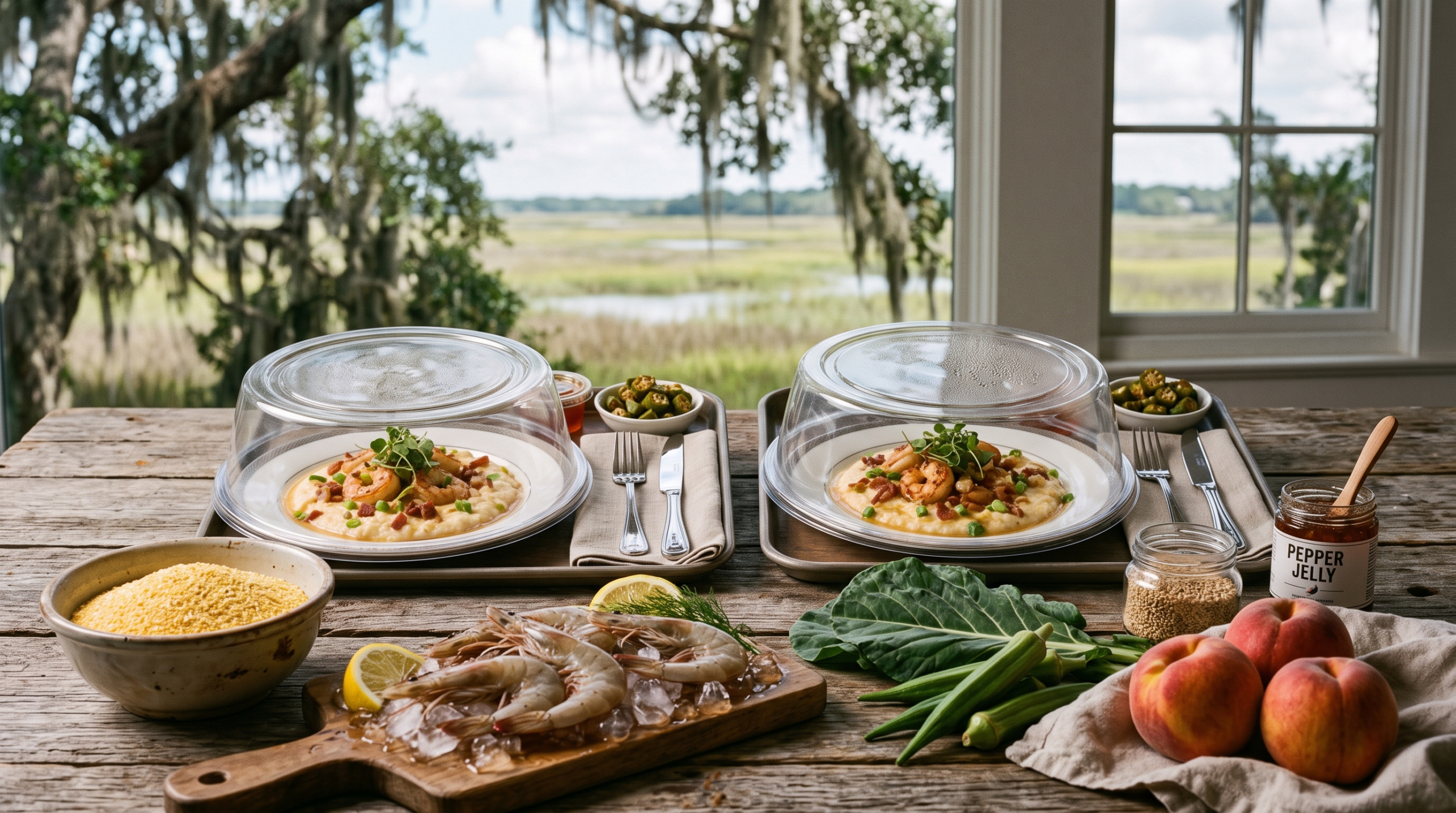
Many private jet travelers value menus that reflect their cultural or regional identity. Many caterers, for example, collaborates with native chefs to refine signature dishes such as Hainanese poached chicken and daikon salad. Even in a small galley, you can work with catering partners to develop authentic dishes using familiar spices, sauces and preparation methods. Paying attention to cultural nuances strengthens the emotional connection between passengers and the flight experience.
Plant‑forward and nutritious choices
Offer creative plant‑based dishes
Flexitarians and omnivores alike are seeking lighter, plant‑forward meals. Traditional vegetarian options like plain vegetables or boiled rice won’t impress today’s travelers; they expect innovative stews, sandwiches and meat‑free burgers. Private jet caterers can source plant‑based proteins from companies such as Impossible Foods or Beyond Meat, and pre‑portion them for easy reheating. Because your passengers may have busy schedules before and after the flight, provide wholesome options that won’t leave them feeling sluggish.
Embrace sustainability without compromising taste
Plant‑based meals require fewer resources and produce lower emissions than animal‑based dishes, aligning with the eco‑conscious values of many high‑net‑worth individuals. Collaborate with suppliers like Beanstalk Foods, which not only create flavorful plant‑based dishes but also provide biodegradable packaging and recipe guidance. When possible, offer guests the chance to pre‑select their meals during booking to manage storage and shelf‑life.
Balance comfort and nutrition
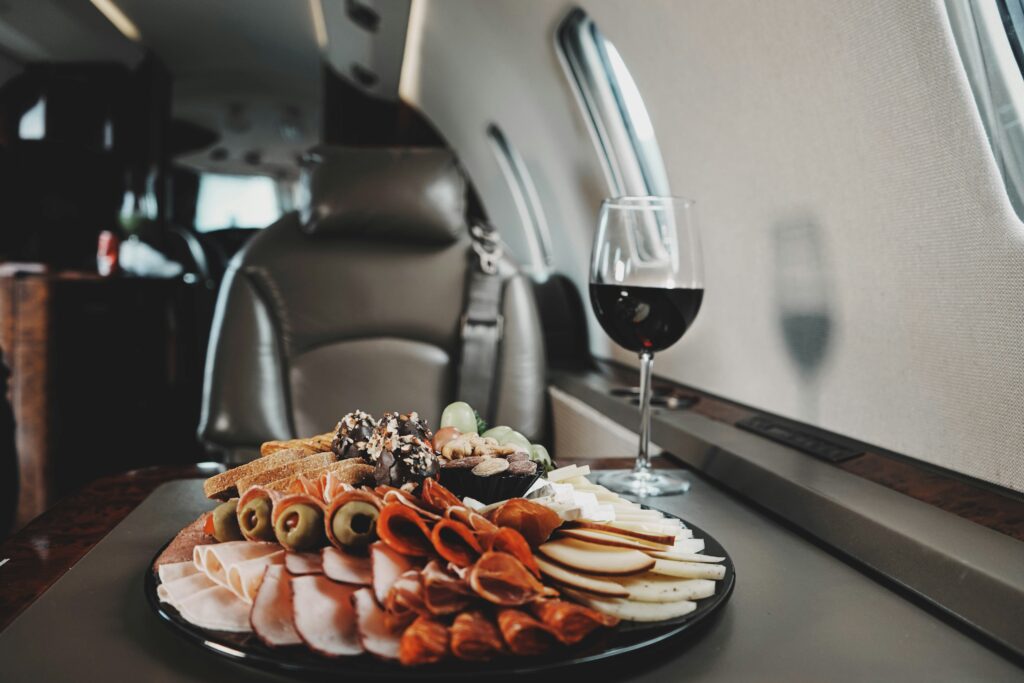
Comfort foods have a place on private jets, but they needn’t be unhealthy. Research suggests passengers care about nutrition, and dietitians remind us that “healthy” foods are those made from varied, whole ingredients. Swap ultra‑processed ingredients for artisanal breads, high‑quality cheeses and fresh sauces. The key is to deliver familiar flavors while avoiding the pitfalls associated with highly processed fare, which are linked to health risks.
Smart tools for small galleys
Leverage pre‑ordering and digital menus
Digital transformation isn’t just for commercial airlines. Mobile‑first platforms allow passengers to pre‑order meals, giving you better forecasting and reducing waste. QR‑code menus are ideal for small cabins; they save space, let guests explore options on their devices and enable real‑time promotions or limited‑time offerings. For charter operators, integrating these tools into your booking system can streamline catering and enhance the guest experience.
Invest in compact, high‑tech equipment
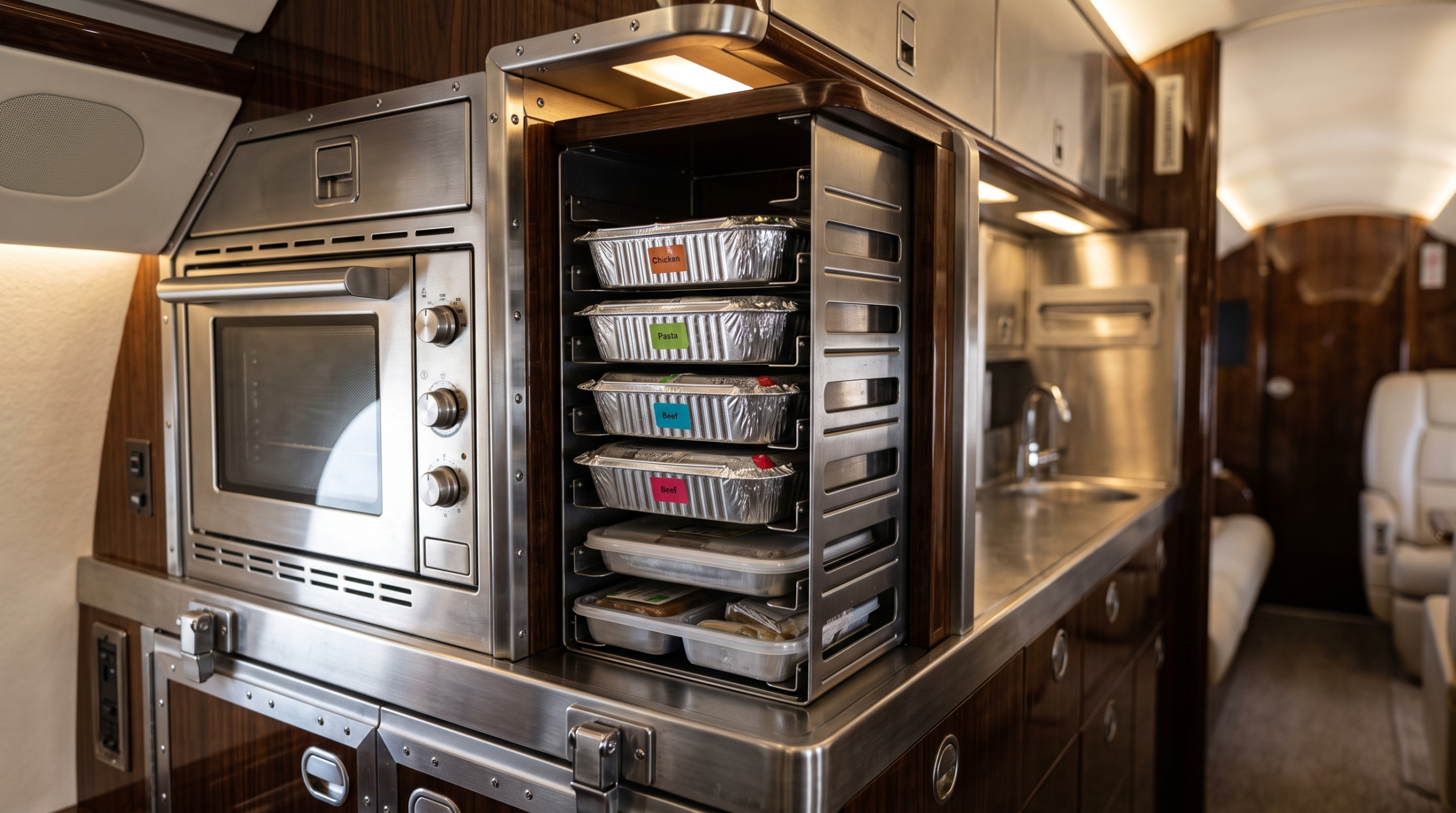
Although your galley is small, there are tools designed specifically for private jets. Precision heating systems, sous‑vide machines and high‑efficiency convection ovens allow chefs to prepare gourmet meals pre‑flight and reheat them perfectly on board. 3D‑printed foods and customized presentation add a wow factor; you might serve guests personalized chocolate sculptures or logo‑embossed desserts. Meanwhile, AI‑powered hydroponic farms supply fresh herbs and lettuces while using up to 95 % less water—a concept that high‑end caterers leverage to guarantee freshness.
Manage waste and packaging
On small jets, every kilogram counts. Untouched meals currently make up 18 % of cabin waste, and disposing of excess food at remote airports can be challenging. Use data from pre‑ordering and past flights to load only what you need. Select sustainable packaging—bamboo cutlery, recyclable glass containers or edible wraps—to reduce waste. Some operators now offer “low‑impact menus” featuring locally sourced ingredients and plant‑dominant dishes to minimize the flight’s carbon footprint.
Luxury touches and health‑focused gastronomy
Elevate the onboard dining experience
Today’s private jet passengers expect their meal to rival a fine‑dining restaurant. Airlines invest billions in premium cabins, and private operators can borrow ideas from these upgrades. Collaborate with chefs and hospitality brands to design seasonal menus, incorporate regional delicacies and provide wine pairings. Offer hyper‑personalized dishes—plant‑based haute cuisine, keto‑optimized meals or nutrigenomic‑based menus tailored to a guest’s genetics and lifestyle. Incorporate hydration‑boosting ingredients such as chia puddings and citrus infusions to combat cabin dehydration.
Provide wellness and comfort in harmony
Business leaders and celebrities want to arrive refreshed. Consider offering a choice between indulgent comfort dishes and lighter, nutrient‑dense meals. Serve bone broth with anti‑inflammatory herbs, energizing salads with quinoa and nuts, or antioxidant‑rich desserts. By blending comfort and nutrition, you ensure passengers feel pampered without sacrificing wellness.
Practical tips for flight attendants on small private jets
- Plan in advance: Review passenger lists early, gather preferences and confirm any special dietary requirements. Use AI tools or simple spreadsheets to log past likes and dislikes.
- Curate a versatile menu: Prepare a mix of plant‑based, protein‑rich and comfort dishes that can be plated quickly. Include at least one vegetarian or vegan option to accommodate guests who prefer plant‑forward meals.
- Optimize galley space: Invest in compact, multi‑use appliances and organize supplies into clearly labelled containers. Keep a small selection of garnishes and sauces to elevate presentation without taking up much room.
- Use sustainable products: Choose biodegradable packaging and locally sourced ingredients to reduce waste and support environmental goals.
- Stay updated on trends: Follow industry reports and attend trade shows like the World Travel Catering & Onboard Services Expo. Innovations such as AI‑powered forecasting, edible packaging and nutrigenomic menus can give you an edge.
Final thoughts
Small private jets offer an unparalleled opportunity to deliver bespoke dining experiences. By leveraging personalization, embracing plant‑forward and nutritious menus, adopting smart technology and prioritizing sustainability, flight attendants can turn inflight catering into a memorable highlight of the journey. With careful planning and attention to detail, even the smallest galley can produce meals that delight guests and reflect the cutting edge of aviation hospitality.