Tail-Number Coordination 101: How Premium Inflight Catering Gets to the Right Plane at the Right FBO
Tail number catering coordination is the operational backbone that separates a national inflight catering provider from a city-based caterer that happens to deliver to one airport. If you’re a charter dispatcher, corporate flight department coordinator, or operations manager sourcing inflight catering across multiple FBOs and aircraft types, the difference matters — because the failure mode of a poorly-coordinated meal isn’t a bad review, it’s a tail number that’s wheels-up with the wrong food, or no food at all.
This guide walks through what tail-number coordination actually involves, how a nationwide inflight catering provider sequences kitchens, packaging, and FBO handoff for a multi-leg trip, and what to ask your provider to confirm they can handle your fleet’s schedule.
What “tail-number coordination” means in practice
When a catering provider says they “coordinate by tail number,” they’re saying every variable in the order is tied to a specific aircraft — not to a generic delivery slot. The tail number drives:
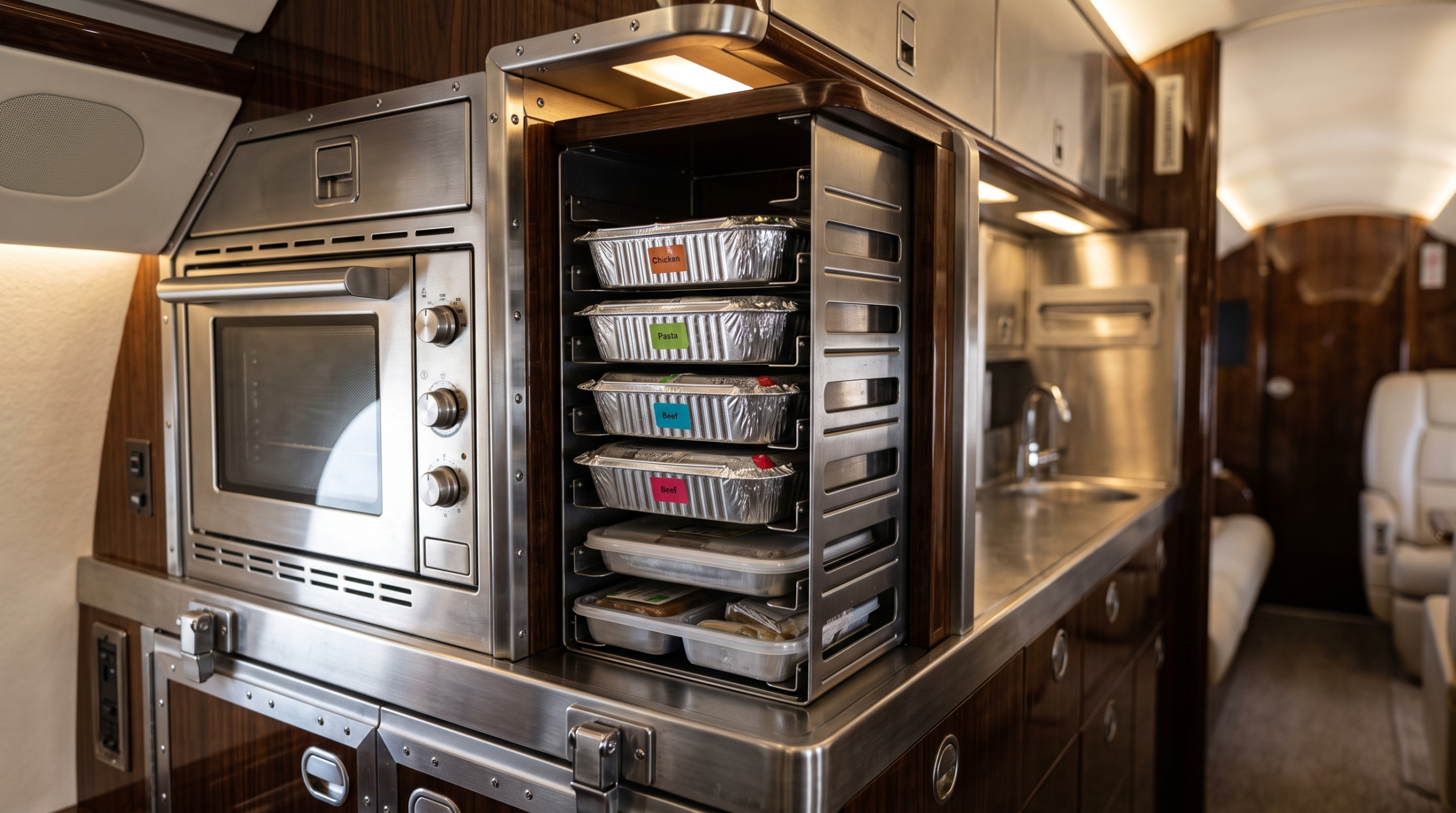
Aircraft type and galley spec. A Gulfstream G650 galley fits different packaging than a Citation Latitude. Heavy-cabin jets handle composed hot meals with full service ware; light-cabin jets often need pre-portioned cold or pre-cooked formats that warm efficiently in limited galley equipment.
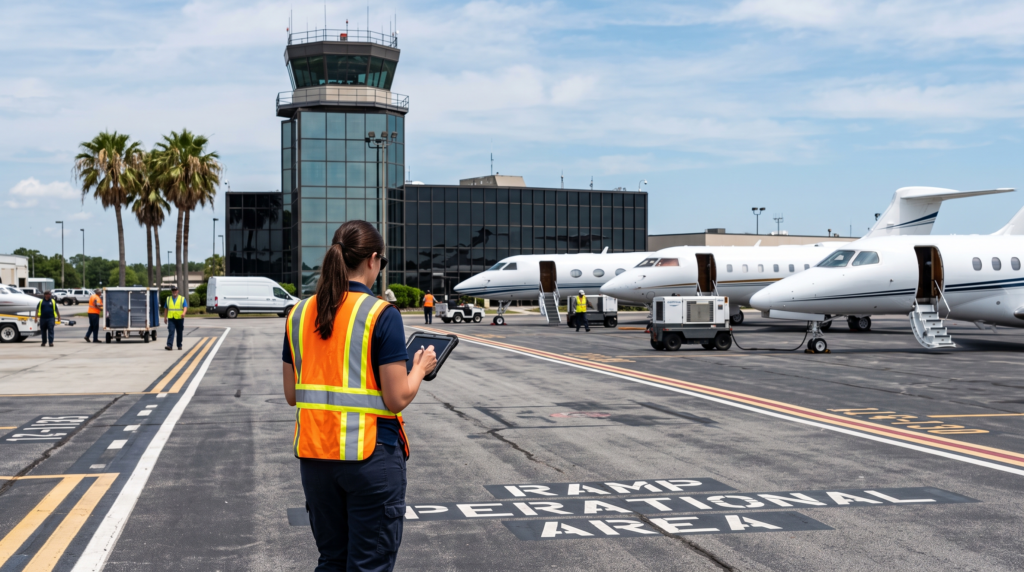
FBO destination. The tail number’s flight plan determines which FBO in which airport receives the delivery. A Charleston-based catering kitchen can drive to Atlantic Aviation at KCHS in 14 minutes; a kitchen 90 miles away from a partner FBO has a different operational reality.
Delivery window. The catering delivery window backs off the wheels-up time, accounting for FBO loading, crew safety inspection, and any flight-attendant pre-flight prep.
Crew and passenger profile. Standing client accounts capture the typical crew, the recurring passenger preferences, and any aircraft-specific quirks (one tail has a finicky galley oven, another has limited refrigeration). This data should travel with the tail, not be re-collected on every order.
The five-stage coordination flow for a single trip
Stage 1 — Order intake
The dispatcher sends the catering order: tail number, FBO, departure date and time, passenger and crew count, dietary requirements, service tier, special requests. The catering ops team confirms the tail number’s standing profile (galley spec, recurring preferences, delivery contact at the FBO) and notes any deviation from standard.
Stage 2 — Kitchen assignment
The catering coordinator routes the order to the kitchen closest to the departure FBO with capacity to execute the service tier and dietary mix on the requested timeline. For a nationwide provider, this might be the in-house Charleston kitchen for KCHS, KCHS-area, or KMRH departures; a vetted partner kitchen for KAPA (Centennial); a different vetted partner for KTEB (Teterboro). Same brief format, same quality spec, different physical kitchen.
Stage 3 — Menu confirmation and prep
The kitchen confirms the menu, sources ingredients, preps and plates. Specialty diets and allergen-restricted meals get dedicated prep. Packaging gets selected based on the aircraft’s specific galley dimensions.
Stage 4 — Delivery and FBO handoff
The delivery driver arrives at the named FBO with labeled trays, a delivery confirmation, and contact details for the receiving flight attendant or crew member. The handoff is documented — who received, what time, what condition.
Stage 5 — Post-trip confirmation
After the flight, the dispatcher or crew confirms successful delivery and reports any issues. Patterns get captured in the tail’s profile so the next order improves.
Where coordination fails
The four most common failure modes when tail-number coordination isn’t tight:
Wrong FBO. The order says “Charleston” but the tail is actually departing from KCHS Executive, not KCHS commercial. The food arrives at the wrong building. (Always specify FBO name + airport identifier, not city.)
Wrong tail. The order ties to a tail number that’s no longer the operating aircraft — fleet swap, mechanical, or last-minute substitution. The galley spec is wrong and the meal doesn’t fit. (Confirm tail number close to departure.)
Wrong window. The delivery is timed to scheduled wheels-up, but the actual gate-close pushed earlier or the FBO requires earlier delivery for security. (Coordinate the actual delivery window with the FBO, not the published departure time.)
Wrong galley spec. The packaging works for the aircraft type the catering provider assumed, but the actual aircraft has a different galley. Hot meals arrive in containers that don’t fit; passengers eat cold instead. (Tie aircraft galley spec to the tail number’s profile.)
What to ask a catering provider about coordination capability
Three diagnostic questions for evaluating a provider:
“How do you handle a trip with multiple FBOs in three different cities over four days?” A provider with nationwide coordination can answer this with a specific workflow. A provider that hesitates or talks about “we’ll figure it out” is signaling they can’t scale beyond a single city.
“What information do you keep on file per tail?” The answer should include aircraft type, galley spec, typical crew, recurring passenger preferences, FBO contacts, and order history. Less than that means every order is a re-discovery exercise.
“Walk me through your operations contact protocol for an unplanned schedule change.” Listen for whether there’s a named operations contact reachable by phone during the entire trip window, not a generic ticketing inbox. Schedule changes are normal in private aviation; a coordinator without a real-time contact protocol can’t keep up.
How nationwide coordination compounds operational reliability
For a charter operator with tails flying coast-to-coast, the operational gain from working with a nationwide catering coordinator vs. five regional caterers is substantial:
Single brief format across all kitchens. No reformatting orders for each regional partner.
Consistent menu and packaging standards. A meal delivered to KMRY (Monterey Regional) looks and performs like a meal delivered to KIAD (Dulles).
Single point of contact for the dispatcher. No multi-vendor coordination overhead.
Compounding tail profiles. Recurring data on each tail’s galley, crew, and passenger preferences accumulates with the coordinator instead of being lost across multiple kitchens.
One invoice, one payment workflow per trip rather than per leg.
Iacofano’s coordinates inflight catering nationwide through vetted partner kitchens from our Charleston, SC operations base. Tail-number profiles, FBO contacts, packaging specs, and recurring preferences travel with the trip — so a multi-leg charter from Charleston to Teterboro to Centennial to Van Nuys gets the same coordination treatment across every leg.
Frequently asked questions about tail-number catering coordination
What information do you need to set up a tail-number profile?
Aircraft type, galley specs (or we can derive from the type for most common business jets), typical crew configuration, recurring passenger preferences and dietary restrictions, primary FBO contact at home base, and any aircraft-specific quirks (galley equipment limitations, refrigeration capacity). For multi-aircraft operators, we set up a fleet profile so the data is portable across tails.
Can you coordinate catering for a tail flying internationally?
Domestic coordination is our core. For international segments, we coordinate the U.S.-side departure or arrival catering and partner with reputable international inflight providers for the foreign-leg pickup. Customs and food-import regulations vary by destination country; we’ll flag what’s executable and route accordingly.
How do you handle a last-minute aircraft swap?
Standard. If the operating tail changes after the order is placed, the dispatcher or crew lets us know and we adjust packaging to fit the new aircraft’s galley. Menu typically holds; packaging swaps. For dramatic galley downgrades (e.g. heavy-cabin to light-cabin), we may suggest a menu adjustment to fit the new equipment.
What’s the cost difference between coordinated nationwide catering and using multiple regional providers?
Per-meal cost is usually comparable. The real difference is operational time savings for the dispatcher — single brief, single contact, single invoice, single accountability path. For operators with high charter volume, the operational savings often exceed the catering line item.
Do you maintain order history per tail?
Yes. Every order is tied to the tail number profile so we can see what you ordered last time, what worked, what didn’t, and what your recurring travelers prefer. The profile improves with each trip — your fifth order is faster to confirm than your first.
Coordinate your fleet’s inflight catering
If you’re a charter dispatcher, corporate flight department coordinator, or operations manager evaluating a nationwide catering coordinator — or moving away from a multi-vendor regional setup — start with a fleet profile call.
Coordinate Your Tail-Number Order — walk us through your fleet, primary FBOs, typical routes, and recurring requirements. We’ll set up your operator profile and tail-number profiles so the next order routes itself.
For more on the operations side of inflight catering, see our pieces on inflight catering services, operational excellence at 30,000 feet, and why aviation catering is different from restaurant catering. Operator-side best practices and FBO/charter operations guidance from NBAA are worth bookmarking for dispatchers building out coordination workflows.