Dietary Restrictions on Private Jets: Kosher, Halal, Gluten-Free, Allergen-Free Inflight Catering Done Right
Private jet catering dietary restrictions are one of the most common reasons charter operators and corporate flight departments switch providers. The reason isn’t usually a single failure — it’s the slow accumulation of small ones: the “gluten-free” meal that arrived plated next to a wheat roll, the kosher tray that wasn’t actually certified, the allergen-free option that was prepped on a shared surface. For passengers with medical-level restrictions, those small failures aren’t minor — they can ground a trip or send someone to a hospital.
This guide walks operators, flight attendants, and travel coordinators through how dietary-restriction inflight catering actually works at a premium operator, what to specify when you order, and how to vet a catering provider’s dietary handling before the first flight.
The five dietary categories that show up most often on private jets
1. Kosher
Kosher inflight catering ranges from kosher-style (meals prepared without obviously non-kosher ingredients but not certified) to certified kosher (prepared in a certified kosher kitchen under rabbinical supervision). If passenger expectation is certified kosher, the lead time goes up — certified kitchens have their own production schedules and cannot drop in a same-day order. Plan for 48–72 hour lead times on certified meals.
2. Halal
Halal inflight catering, like kosher, has a certified-vs-style distinction. Certified halal requires sourcing meat from a certified supplier and prepping in a kitchen that handles halal protocols. Most premium catering providers can handle halal-style meals on standard lead time; certified-halal meals follow the same lead-time logic as certified kosher.
3. Gluten-free / Celiac
The gluten-free request hides two different needs. “Gluten-free by preference” is a menu request that most kitchens can accommodate easily. “Celiac, trace gluten causes medical reaction” requires dedicated prep space, sealed packaging, and ingredient verification all the way back to the supplier. Always ask passengers whether the request is preference or medical.
4. Allergen-free (nut, shellfish, dairy, egg, soy)
Same preference-vs-medical distinction. Severe allergies require dedicated prep, sealed presentation, and clear labeling. A premium operator should be able to handle a single-allergen-free meal as standard service and a multi-allergen, medical-grade meal with appropriate lead time.
5. Vegan, vegetarian, plant-forward
Vegan and vegetarian meals are now standard menu options at premium inflight catering — no surprise. The harder request is plant-forward menus for the whole flight rather than a single passenger. Strong vegan inflight catering is a creative-cooking discipline; not every kitchen does it well. Ask to see a sample menu before committing for a high-stakes flight.
What to specify when you order dietary-restriction inflight catering
The brief should answer five questions per restricted passenger:
- What’s the restriction? Name the category (kosher, halal, gluten-free, nut-free, etc.).
- Preference or medical? This is the difference between “no peanuts” and “lethal anaphylaxis to peanut trace.”
- Certification required? Especially for kosher and halal — does the passenger require certified-tier or is style acceptable?
- Cross-contamination tolerance? Can the meal be plated next to non-compliant items, or does it need sealed packaging?
- What does the passenger actually like to eat? Restriction lists are easy; a tasty menu within the restriction is harder. Share favorites if known.
This information should travel with the passenger profile, not be re-collected for every trip. A standing operator account should hold restrictions and preferences across flights.
How a premium kitchen handles dietary restrictions operationally
Dedicated prep space
Severe allergies and certified diets require separate prep zones — different cutting boards, knives, gloves, surfaces. The kitchen should be able to describe their cross-contamination protocols without hesitation. If they can’t, that’s a vetting failure.
Ingredient traceability
For severe allergies, “gluten-free” on the supplier’s label is necessary but not sufficient. The kitchen should be sourcing from suppliers with verified protocols and should be able to produce ingredient lists on request. The flight attendant or passenger should be able to ask for a sourcing breakdown and get one.
Packaging and labeling
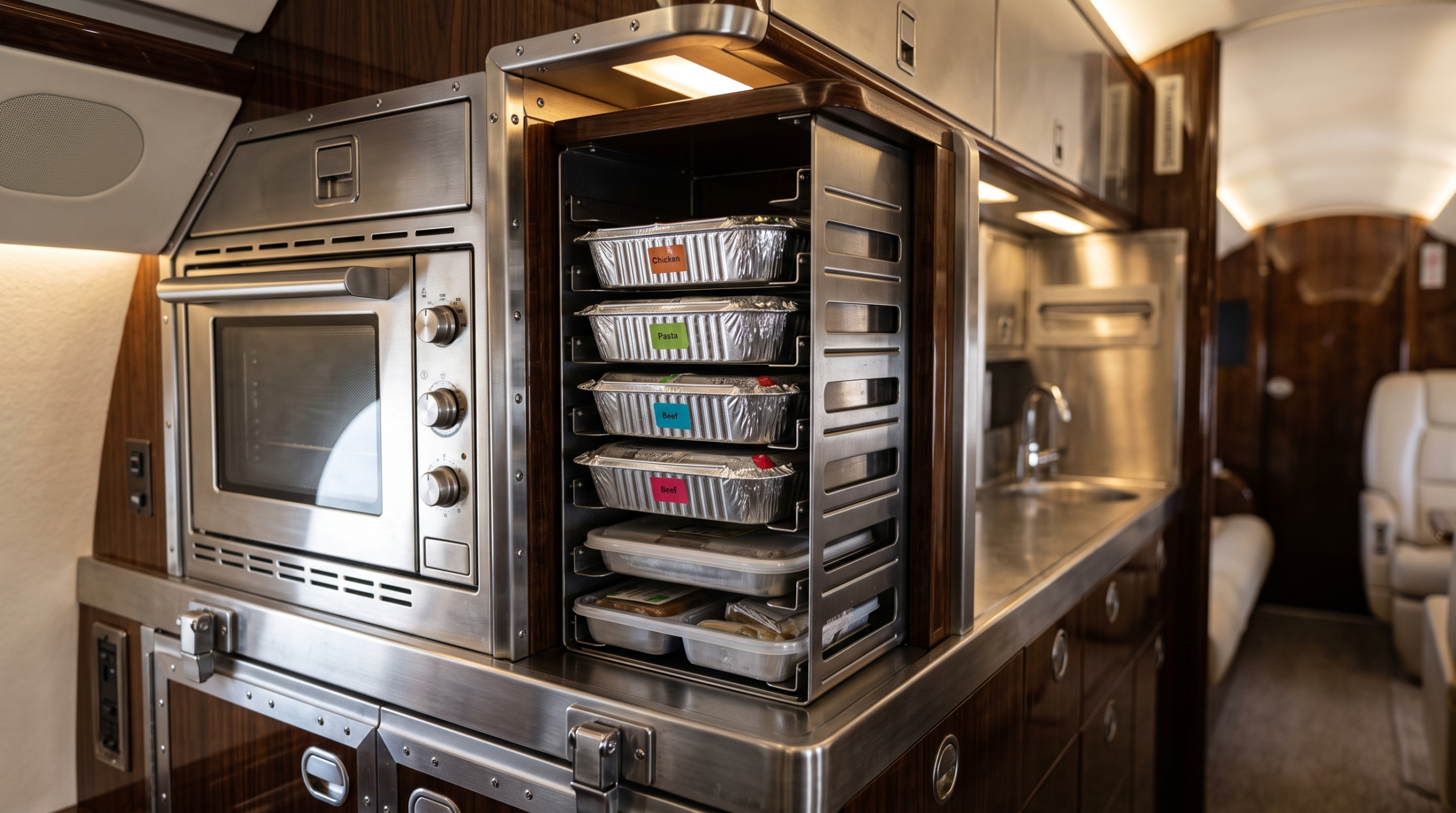
Each restricted meal arrives in a clearly labeled, sealed container. The label should name the restriction, the passenger (or seat), and any required handling instructions. A premium operator should be doing this as standard practice, not as an upcharge.
Lead time accommodation
Standard dietary categories (gluten-free preference, vegan, common allergen-free) fit standard 24–48 hour lead times. Certified kosher, certified halal, and complex multi-allergen medical-grade meals need 48–72 hours. See our guide on short-notice private jet catering for how lead-time constraints map to menu options.
How to vet a catering provider for dietary handling
Three questions surface whether a provider takes dietary restrictions seriously or treats them as an inconvenience:
“Can you describe your cross-contamination protocols for severe allergies?” A serious provider answers this without hesitation. A provider that says “we’ll be careful” is showing you the limit of their process.
“Do you handle certified kosher or certified halal in-house, or through partners?” Either answer can be acceptable. The provider should know exactly which kitchens in their network can produce certified meals, what the lead times are, and how the certification chain works.
“Walk me through a multi-restriction meal — one passenger gluten-free celiac, one passenger nut-allergic, one passenger kosher-style.” Listen for whether the provider asks clarifying questions (good) or commits without asking (bad). A premium operator will pause, ask about cross-contamination tolerances and certification levels, and then walk through the prep sequence.
Frequently asked questions about dietary restrictions on private jets
How much do dietary-restriction inflight meals cost compared to standard meals?
Expect a 15–35% premium per meal for dietary-specialty meals. Certified-tier meals (certified kosher, certified halal) and medical-grade allergen-free meals sit at the higher end. The premium reflects ingredient sourcing, dedicated prep, and certification handling — not arbitrary markup.
What lead time do you need for kosher private jet catering?
Kosher-style meals fit standard 24–48 hour lead time. Certified kosher requires 48–72 hours to coordinate with a certified kitchen and supplier chain. Plan for the longer window when passenger expectation is certified-tier.
Can you handle a flight with multiple different dietary restrictions?
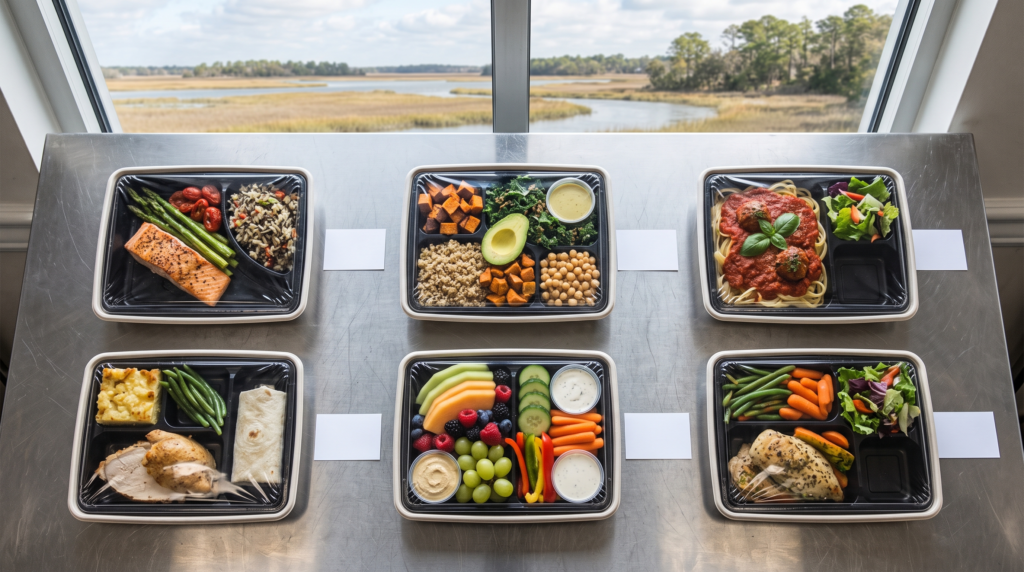
Yes, regularly. A typical inflight roster might include one kosher, two gluten-free, one nut-allergic, and a vegan plate. The brief should tag each restriction by passenger and seat. We label each meal in transit so the flight attendant can stage them in the galley without confusion.
Are gluten-free inflight meals safe for celiac passengers?
They should be, but you have to specify. A “gluten-free” meal prepared in a kitchen that also handles wheat may be safe for a passenger with gluten sensitivity but not for one with celiac disease — the trace cross-contamination matters. Tell the catering provider the passenger is celiac, not just gluten-free, so the prep protocols match the medical requirement.
What about allergens like nuts, shellfish, dairy, or eggs?
Single-allergen-free meals (nut-free, shellfish-free, dairy-free) are routine. Multi-allergen-free meals are a coordination problem rather than a sourcing problem — possible, but they need the brief up front. Severe medical allergies require sealed packaging, dedicated prep space, and labeling. Make the severity clear when you order.
Plan dietary-restriction inflight catering with confidence
If you’re sourcing inflight catering for a passenger with dietary requirements — whether preference or medical — the difference between a smooth flight and a problem starts at the brief.
Request an Inflight Quote with your passenger restrictions, route, and timing. We’ll walk you through what’s executable in your lead-time window and confirm cross-contamination protocols up front.
More on inflight catering operations in our pieces on inflight catering services, private jet flight attendant catering, and inflight catering FAQs. The Food Allergy Research & Education (FARE) organization publishes useful guidance on food allergy management for travel.